July 11, 2026 · Tips & Tricks
Terra, Luna, and the End of Using One AI Model for Everything
For a while, vibe coding had one default strategy: select the smartest model available and use it for everything.
That approach is becoming expensive and unnecessary.
OpenAI's GPT-5.6 family now has three durable tiers: Sol as the flagship, Terra as the balanced option, and Luna as the fastest, lowest-cost lane. The official pricing ranges from $5 input/$30 output per million tokens for Sol to $1/$6 for Luna, with Terra in the middle.
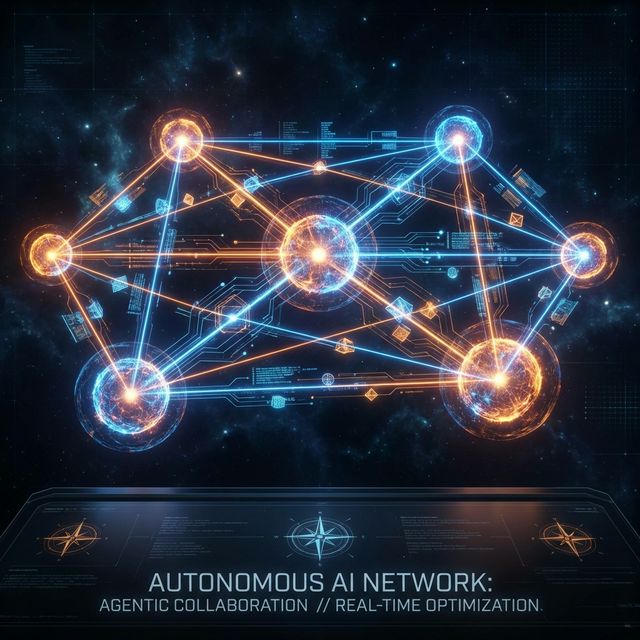
The names matter less than the pattern: modern AI development is becoming a routing problem.
Use Luna for Motion
Luna is the lane for high-volume, low-risk work:
- Renaming and formatting
- Drafting tests for a small pure function
- Summarizing logs
- Generating fixture data
- Explaining a familiar file
- Making repetitive documentation edits
These tasks benefit from speed. If the result is easy to inspect or automatically verify, paying for the deepest reasoning model can be wasteful.
Luna also makes a good scout. Let it classify issues, find likely files, or prepare a concise handoff before a harder case escalates.
Use Terra for the Daily Build
Terra is the practical default for scoped implementation:
- Adding a conventional API route
- Building a form from established patterns
- Fixing a localized bug
- Writing a migration with clear requirements
- Updating a component and its tests
- Reviewing a small pull request
The task should still have guardrails. Give Terra relevant commands, file boundaries, and acceptance criteria. Balanced does not mean psychic.
For many side projects, this tier may handle most daily work. That is the quiet importance of cheaper capable models: they make agent loops affordable enough to use routinely.
Use Sol for Consequence and Ambiguity
Sol belongs on jobs where mistakes are expensive or the path is unclear:
- Authentication and permissions
- Cross-cutting architecture
- Large refactors
- Performance investigations
- Complex production failures
- Long tasks with many dependencies
I also reach upward when a cheaper model fails twice for the same underlying reason. Repeating the same prompt five times is not thrift. It is latency wearing a discount sticker.
Route by Risk, Not Ego
The most useful decision tree is simple:
- Can a machine verify the result? If yes, start cheaper.
- Is the task narrow and patterned? Terra is probably enough.
- Does it touch money, identity, privacy, or irreversible data? Use the stronger lane and review closely.
- Is the task genuinely ambiguous? Pay for judgment before paying for implementation.
- Did the first attempt expose hidden complexity? Escalate.
This is how human teams already work. Not every ticket needs the principal engineer, but some absolutely do.
Watch Total Cost, Not Token Price
A cheap model that writes three times as much, retries repeatedly, or creates cleanup work may cost more per solved task. A flagship model that finishes correctly in one pass can be the economical choice.
Prompt caching changes the calculation too. GPT-5.6 supports explicit cache breakpoints and discounted cache reads, which can help when the same stable project context is reused across many calls. The better your context design, the less often you pay to re-explain the entire codebase.
The New Vibe
Model choice is becoming part of software architecture. The mature workflow is not loyal to one name. It routes work to the least expensive model that can complete it reliably, verifies the result, and escalates when the risk or ambiguity demands it.
Use Luna for motion. Terra for the daily build. Sol when the code needs to abide under pressure.